The Turnaround Point
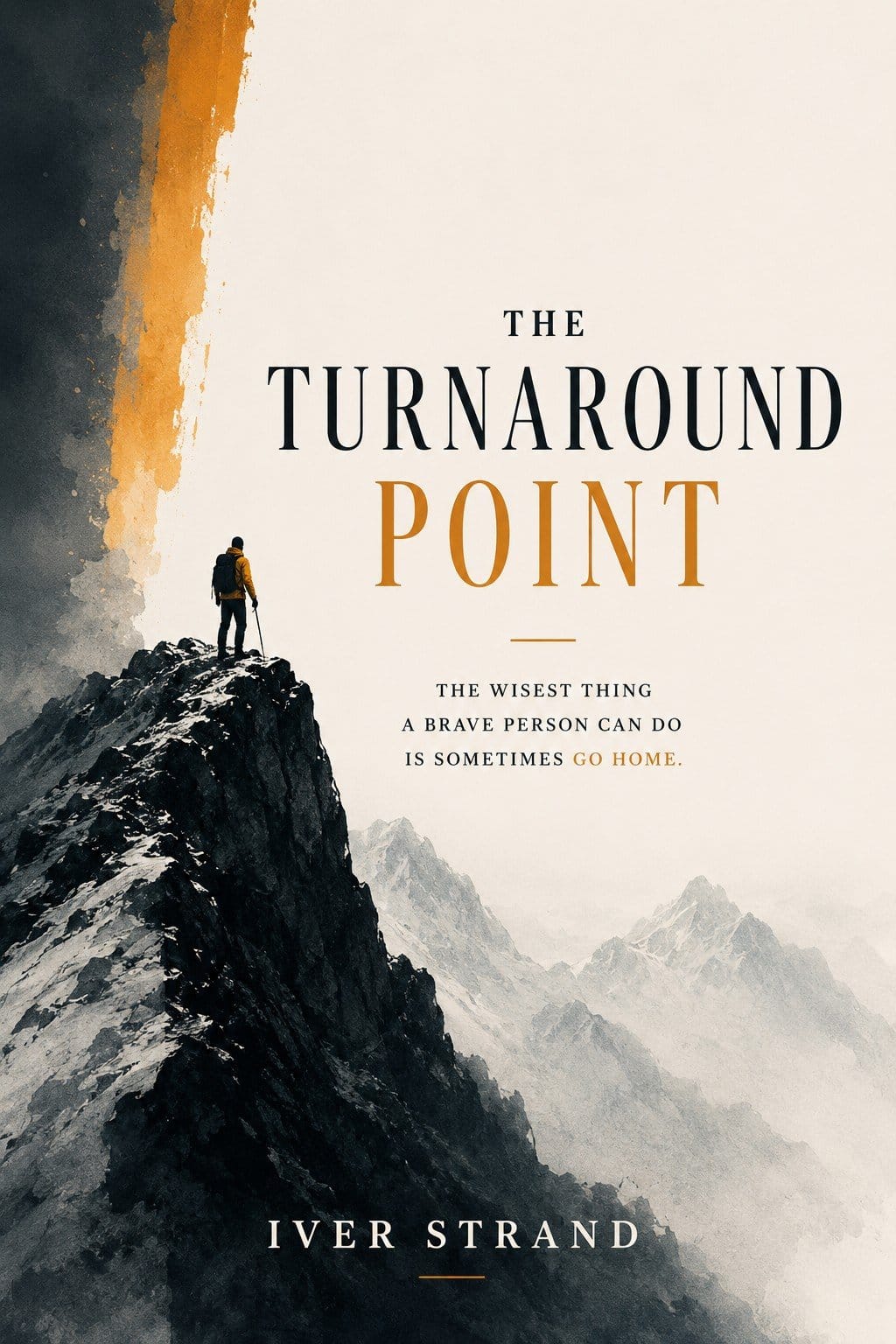
Every adventure book teaches you to push through. This one teaches the skill that actually keeps you alive: knowing exactly when to stop. There is a hero our culture never celebrates—the climber who stood just below his summit, did the math, and quietly turned around. There is no flag photo. No triumphant documentary. His reward was simply returning home to an ordinary Tuesday. And he will tell you that turning around was the hardest, bravest thing he ever did on a mountain. If you are actively searching for the best books on outdoor survival psychology or preparing for a demanding wilderness route, you need this perspective. The Turnaround Point is the essential digital guide wedged uncomfortably between all the titles screaming about grit. Because grit gets you up the mountain—and grit, left unsupervised, is also exactly what gets you killed on it. Whether you are facing an unexpected storm on a technical peak or navigating the grueling physical toll of a 5-day trekking activity while carrying a 20 kg load, the accident reports are brutally consistent. The fatal error is rarely the weather or the broken gear. It is the decision, made an hour earlier, to keep going when every single signal said stop. These decisions are made by smart, fit, highly experienced people with a catastrophic surplus of courage. This is an anti-motivational book, and it may very well save your life. Inside this e-reader optimized companion, you will explore: Part One: The Trap: Understand exactly why turning around is psychologically hardest at the exact moment it matters most. Discover the real chemistry of summit fever, the deadly sunk-cost cliff, and why your brain lies best when you are deeply fatigued. Part Two: The Tools: Learn how to outsmart a mind you cannot trust in a high-stakes moment. Implement pre-commitment strategies, establish hard turnaround times, draw binary trigger lines, utilize the third-party veto, and safely read the dangerous "weather" inside your own head. Part Three: The Aftermath: Navigate the part no one ever prepares you for: the dangerous descent of a profoundly disappointed mind. Understand the shame spiral, avoid the redemption trap that lures you back out too soon, and learn how to process the story of a trip you didn't finish—so the telling makes you wiser instead of recklessly determined. Drawn from the exhaustive literature of mountaineering and aviation accident analysis, and grounded in the behavioral science of decision-making, this guide is written in the voice of an expert who came to the subject through a near miss he doesn't talk about much. The summit is optional. The descent is mandatory. The wisest thing a brave person can do is sometimes just go home.
Author: Iver Strand