The Caregiver's Collapse
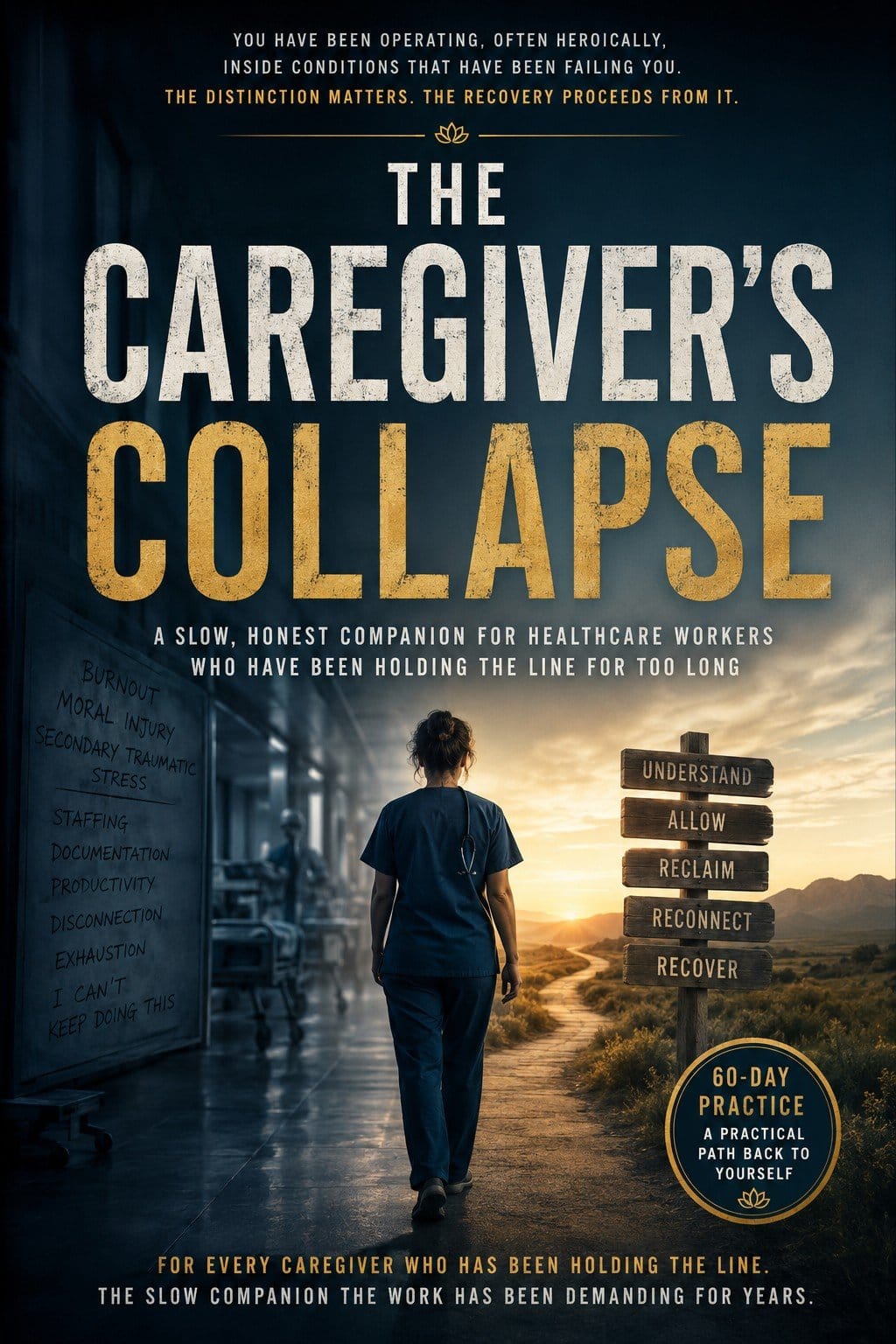
You Did Not, in Most Cases, Enter Healthcare Because You Wanted to Be the Person You Have Become. You Entered Because You Wanted to Help. The distance between those two facts—and what closed it—is what this book is about. You picked up this text because something has been dangerously off for longer than you have let yourself register. Recovery between shifts no longer happens, patients are beginning to blur, and your body is registering the brutal physical toll of the system. Sleep is broken. The substances—the glass of wine in the evening, the heavy caffeine cycling through the day—are doing much more heavy lifting than they used to. Your relationships at home are suffering, and in the small hours of the night, you have begun to wonder how much longer you can physically sustain this pace. The institutional response to your distress has been fundamentally inadequate. Mandatory wellness programming, superficial resilience training, and brief employee assistance programs locate the problem entirely in your insufficient self-care. The truth is, no amount of deep breathing can close a emotional gap produced by chronic understaffing, excessive documentation burdens, and impossible productivity metrics. The Caregiver's Collapse is the definitive healthcare burnout book and honest psychological companion that mainstream literature has refused to be. It is a profound medical professional wellness guide that sits with you while you process what has actually been happening—addressing the systemic moral injury and secondary traumatic stress that institutional vocabulary has flattened across years of direct patient care. Understanding Clinical Moral Injury Rather than telling you to change your mindset, this text offers a clinical framework to help you understand the structural conditions that have worn you down. It provides a slow, validating roadmap to help you recover access to a self that has been secondary to the relentless demands of the calling. Inside this transformative guide, you will explore: The Three Clinical Frames: Learn how burnout, moral injury, and secondary traumatic stress interact, and why naming these systemic forces is itself a substantial therapeutic move. The Five Faces of Healthcare Collapse: Identify the specific behavioral adaptations and tailored psychological recovery pathways for The Detached Professional, The Wounded Healer, The Silent Drinker, The Disengaged Partner, and The Quietly Considering Leaver. The Five Cumulative Life Costs: Confront the heavy bill your body is paying, including a thinned interior life, strained home environments, isolated friendships outside of medicine, and a fractured relationship to the calling itself. The Unwritten Letter Practice: Discover why caregivers carry specific patients across decades, and master a clinical writing exercise to allow that emotional weight to safely settle. The Four Systemic Wear-Downs: Dissect how inadequate staffing ratios, massive documentation burdens, administrative expansion, and extreme productivity expectations impact your nervous system. The Body and Substance Protocol: An honest, non-judgmental look at the alcohol or stimulants that have been managing your nervous system, alongside a guide to the specific comprehensive bloodwork a mid-career clinician actually needs. The Practical Decision Framework: Navigate the ultimate career question—whether to stay with significant boundaries, pivot to a different role within healthcare, or leave clinical medicine entirely—using a clear, logical rubric. A Comprehensive Structural Blueprint Written for frontline medical professionals across all roles—including registered nurses, nurse practitioners, physicians, residents, physician assistants, respiratory therapists, social workers, and emergency responders—this book functions as an intense healthcare worker stress workbook. Rather than a superficial 30-day quick fix, the book delivers a deep 60-day reflection journal and recovery protocol. This structured program guides you through life-saving behavioral changes, helping you establish a protected window of presence at home, secure specialized clinician-focused therapy, and make small but impactful structural moves at work. The text features built-in self-assessment tools, clinical screening checklists, and weekly boundaries tracking frameworks available as an integrated digital companion ready for at-home printing. You have not been failing. You have been operating heroically inside a system that is failing you. The recovery begins when you accept that distinction. This book is the slow, supportive companion the work has demanded for years.
Author: Elena Marsh