Reading the Room When There Is No Room
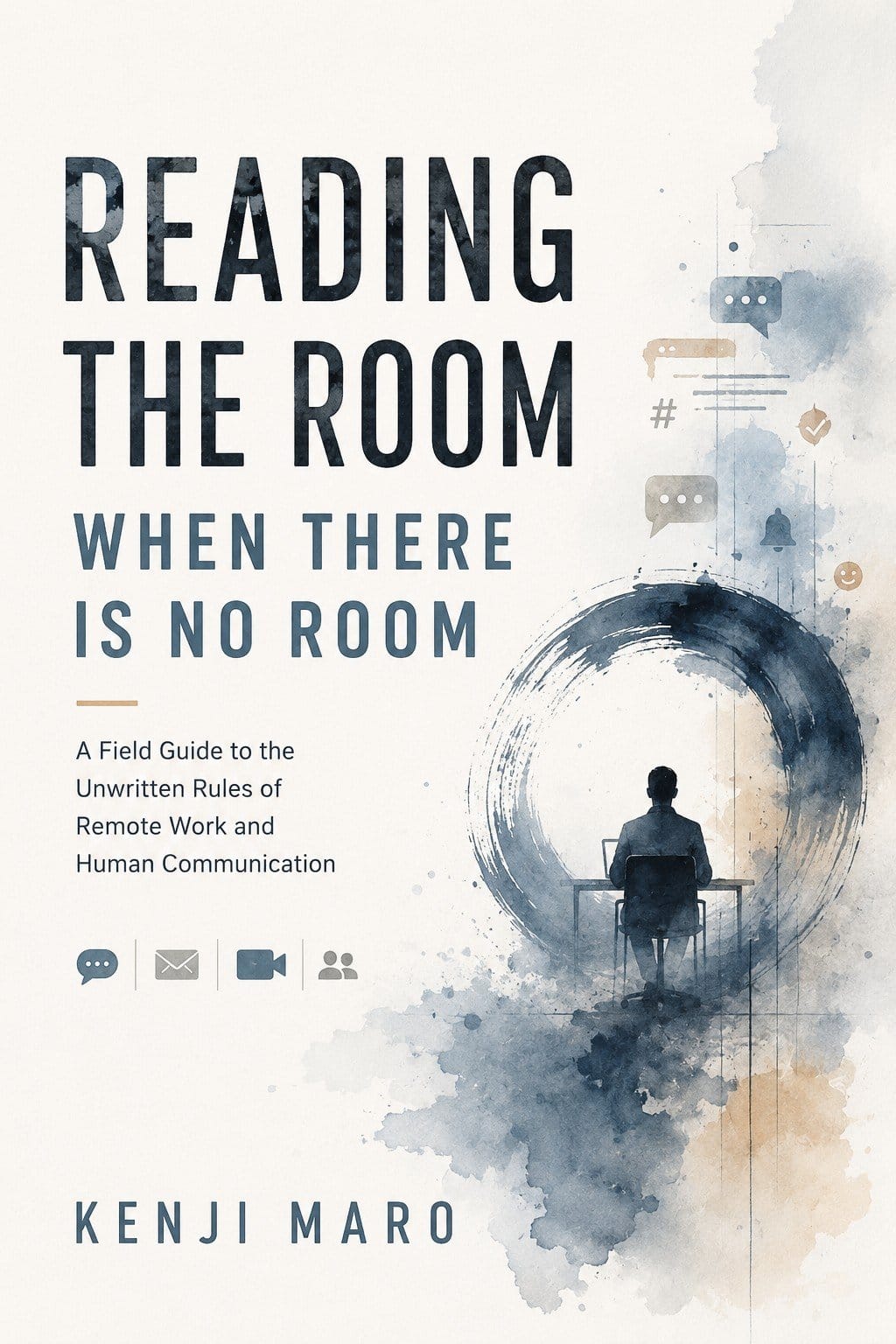
"Read the room," people say—as if it is the easiest thing in the world. But a huge amount of professional communication now happens in places with no actual room to read. A Slack channel is not a room. An email thread is not a room. A video call of postage-stamp faces, half with cameras off, is barely a room. The physical social signals you were told to read have been scattered into text, timing, and tiny, ambiguous icons. If you are an autistic professional navigating a virtual office, you may have spent your whole life being told you are bad at reading social cues. If you find yourself constantly wondering how to read social cues at work or searching for the best books for autistic adults working from home, here is the necessary reframe: the room got abolished, the remote work social rules got rewritten, and this time, nobody reads the new version on instinct. Everyone is guessing. You are just more honest about it. Most workplace communication advice is written in the vague language that makes it entirely useless to the people who need it most: "be aware of tone," "use good judgment," or "read between the lines." How, exactly? Widely considered an essential guide to autistic workplace communication, this digital resource assumes you do not already have the decoder ring—and builds you one, explicitly, literally, rule by rule. Reading the Room When There Is No Room is a literal digital field guide to the unwritten rules of the workplace for neurodivergent adults. With plain rules, reusable text scripts, and signature "what they said → what it means" decoder tables seamlessly optimized for your e-reader, it covers: Decode Tone in Text: Learn exactly how to understand tone in text messages, effectively interpreting punctuation, emoji, and the secret feelings hidden in seemingly flat words. Master Channel Selection: Discover which digital platform to use for specific conversations and what your choice secretly signals to your colleagues. Understand Async Communication: Utilize a comprehensive async communication guide to decode the physics of delayed responses—and what workplace silence actually means (hint: almost always "busy"). Navigate Virtual Meetings: Find practical strategies for navigating virtual meetings with autism, confidently managing cameras, eye contact, turn-taking, and the distracting self-view. Maintain Remote Relationships: Engage in small talk without a watercooler using low-effort, scriptable relationship maintenance techniques. Decode Corporate Politics: Successfully navigate the meeting after the meeting, understanding exactly where and how decisions really get made. Communicate Boundaries: Say no, push back, and disagree effectively so your input lands as high competence rather than conflict. Boost Virtual Visibility: Learn how to be seen as highly productive when no one can physically see you, gaining visibility without the exhausting neurotypical performance. Build Your Personal Rulebook: Utilize companion digital exercises to create a personalized communication manual calibrated exactly to your actual workplace. The traits you were told were weaknesses—needing things to be explicit, reading patterns over vibes—turn out to be exactly the right approach in a modern digital world where the rules can finally be written down. If you have ever reread a one-line message eleven times hunting for a hidden meaning, this empowering digital companion was written for you. The room may be gone, but you can definitely read what replaced it. Please note: This digital self-help resource is based on observed patterns and lived experience; it is not a substitute for clinical, legal, or HR advice. Anything touching your employee rights or formal workplace accommodations is for a qualified professional who understands your specific situation.
Author: Kenji Maro